Writing & Narrative Design
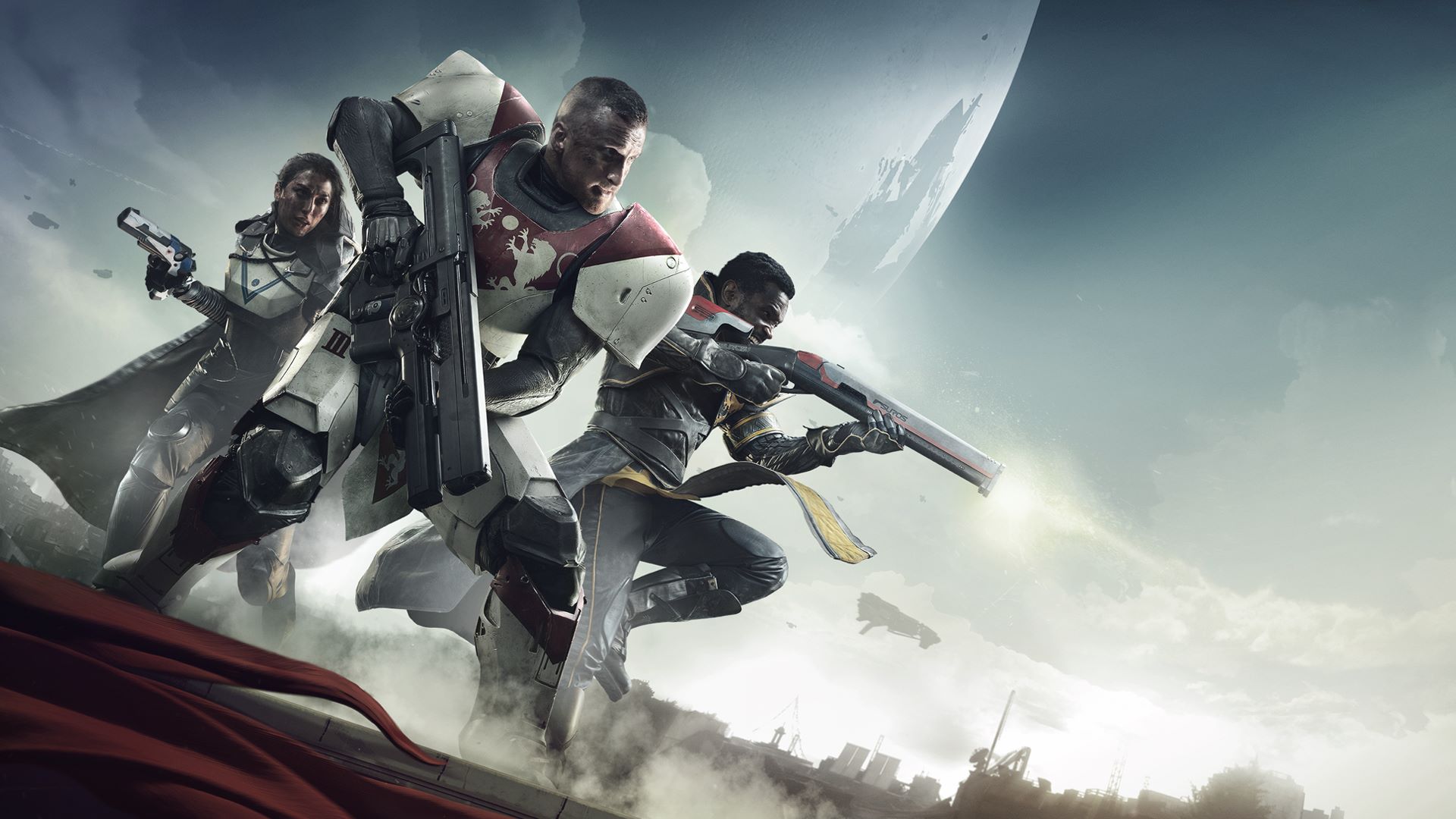
Destiny 2
Bungie hired me in 2015 to create the campaign for what would eventually become Destiny 2. I led a months-long room where we broke the story down, but the writing effort for the entire project was more collaborative and eclectic. During my 3 1/2 years on Destiny, Destiny 2, and their many expansions and seasons, I wrote for cinematics, grimoire cards, mission dialogue, flavor text, and everything in between.
Despite the work I've done for five-star franchises like Marvel, DC, and Transformers, this is still the most widely seen writing of mine. It was a joy and a privilege to create alongside such incredible writers and hundreds of other developers — and a thrill to hear my words come to life through (among many others) Morena Baccarin, Oded Fehr, Bill Nighy, Nathan Fillion, Lennie James, Shohreh Aghdashloo, and the late Lance Reddick.
Writing Samples →
Branching Dialogue
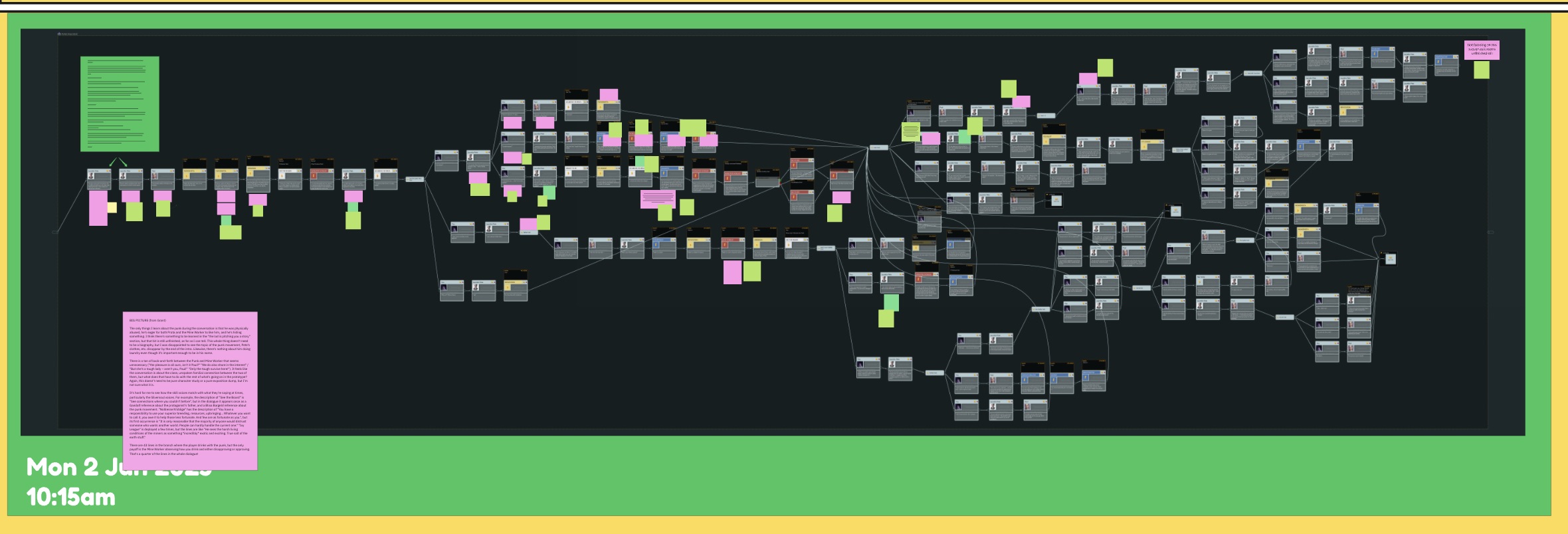
I've got a dozen shipped titles under my belt, yet what some consider the most representative type of video game writing isn't hugely... represented. Sure, I've written lots of conditional dialogue, but nothing that's primarily branching conversations. Which is odd, since it's the second-most seductive thing in games narrative (after the hero's journey).
Which means the most distilled example of branching dialogue I've written is actually a writing test for BioWare back in 2007. It had to be written and implemented as a (text-only, Twine-esque) module for Neverwinter Nights, which was a fun toolset to learn and use. It also means that it's been locked in an opaque .MOD file for over a decade. But I recently dusted it off and hacked my way in, and now you can play through that writing test yourself.
BioWare didn't hire me, but you should.
Play the Dialogue →
But Wait, There's More
Processes and Pipelines
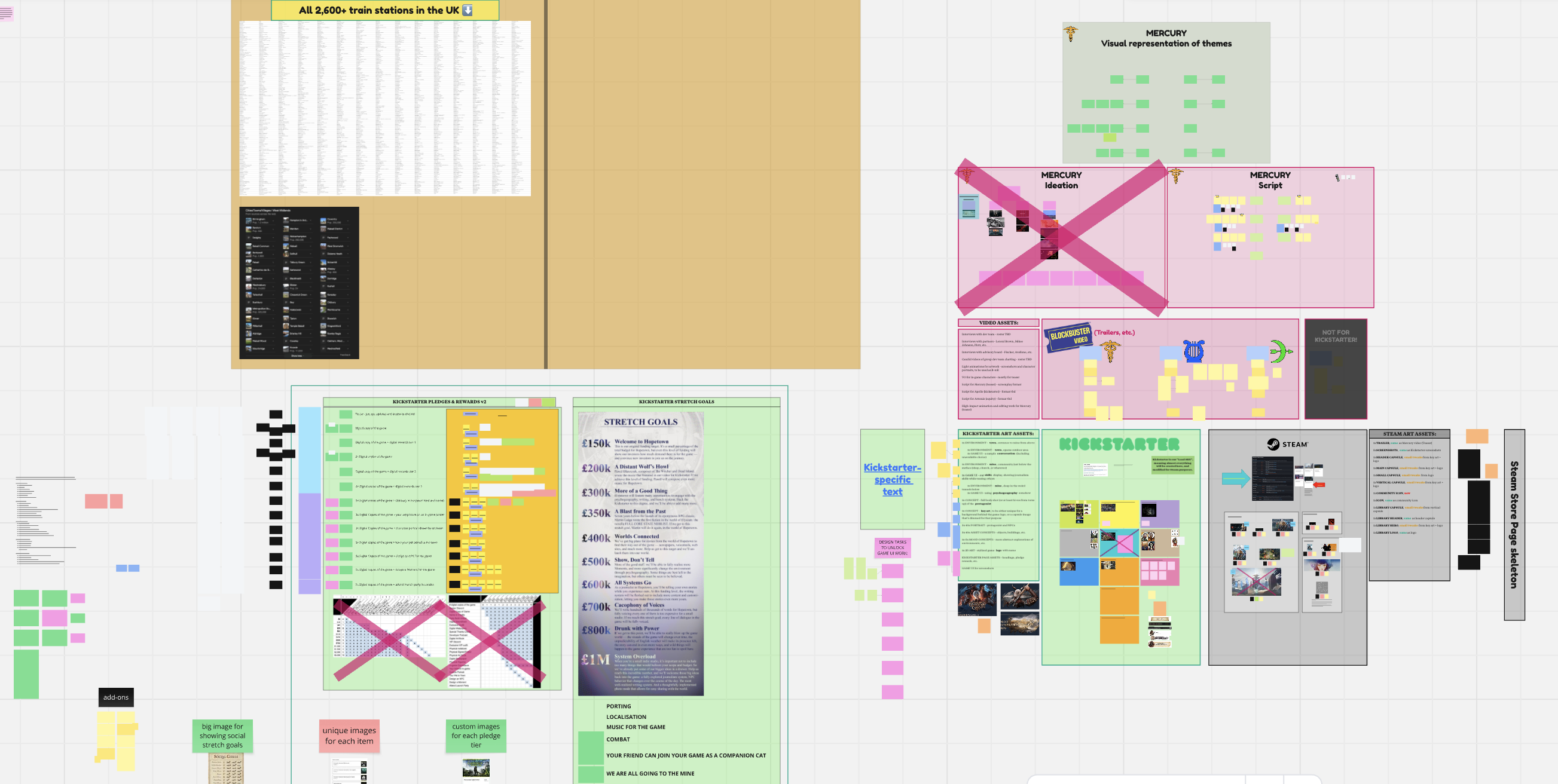
I've been telling stories professionally for decades, but the (often quite crazy, always unique) ways those stories get from my head to the screen is usually as much of a focus as the finished product.
I've built pipelines converting screenplays to databases and back again. I've used tools ancient and modern, streamlined and obtuse. I've created documentation to rocket-boost productivity and hacked together pitches that coast on aesthetics. I love figuring out the how.
Let Me Fix Your AI Writing
Generative AI is neither the biggest revolution in history, nor is it the biggest about-to-burst bubble since the dot-com crash. Ethical and ecological concerns aside, it's a tool just like countless others in the past and future — and like any tool, it needs a skilled hand to guide it.
A restaurant wouldn't serve food that hasn't been properly seasoned, yet many game studios are serving dishes that haven't even been cooked. I can be your food safety inspector and your Michelin-star chef.